Surviving Q1 Burnout
starts strong. Fresh marketing roadmaps. Color-coded content calendars. Big “this is our year” energy. You’re motivated, caffeinated, and convinced you’ve cracked the algorithm.
And then…Mid-January hits. The emails pile up. Analytics decks multiply.
Every brand suddenly wants more content, faster, and somehow more innovative than the last CGI rhode lip treatment floating through your feed.
Welcome to Q1 burnout. Population: all of us.
Between the rise of AI, nonstop trend cycles, and the pressure to be both strategic and creatively original 24/7, social media marketing is moving faster than ever. From cats on trampolines to hyper-realistic product renders, we’re expected to ideate, execute, analyze, repeat, without ever losing the spark.
So how do you survive low-energy season without fully dissociating or quitting to open a ceramics studio?
Here’s the good news. Burnout in Q1 is common, but it’s also manageable. Below are practical, realistic tips to help you protect your energy, spark creativity, and get through the slow-burn months without spiraling.

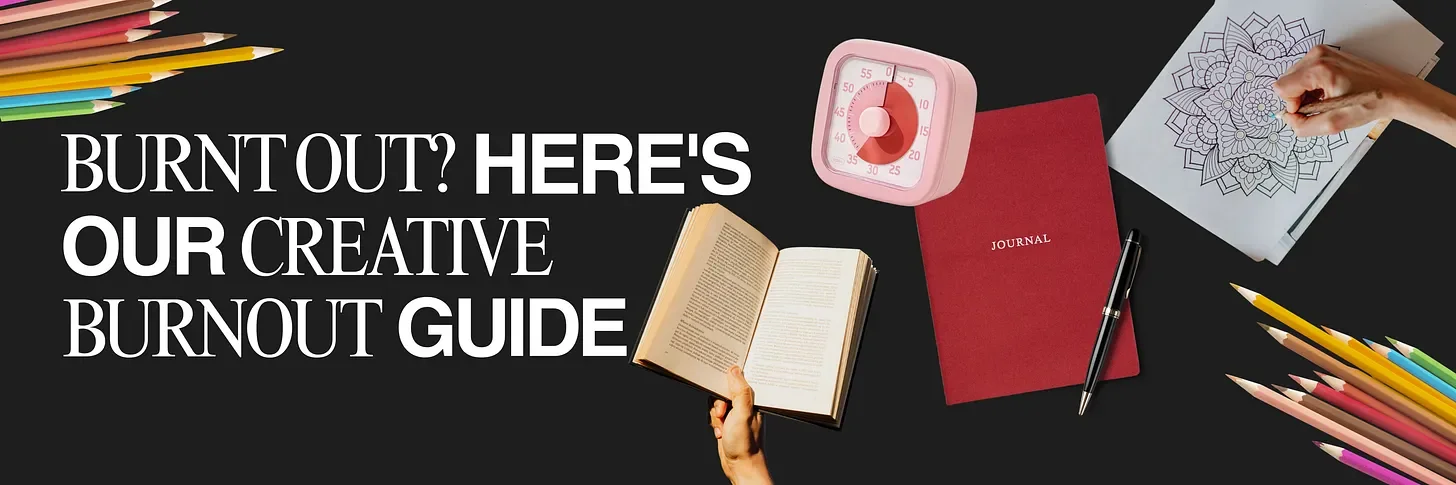
1. Time Blocking (Because “Just Do It” Is Not a Strategy)Let’s start with the least sexy but most effective tool: time blocking.
When your to-do list feels endless, your brain assumes everything is urgent. This leads to overwhelm, procrastination, and doom scrolling “for research.”
Time blocking helps by:
Giving tasks a clear start and end
Reducing decision fatigue
Making progress feel visible, which is a rare joy
Whether you use a phone timer, a physical clock, Google Calendar blocks, or a handwritten planner, the goal is the same. Work in focused chunks, not reactive chaos.
Try this:
Block 30 to 60 minutes for one task, not five
No multitasking, no Slack replies
When the timer ends, you stop, even if it’s imperfect
Momentum beats perfection. Always.
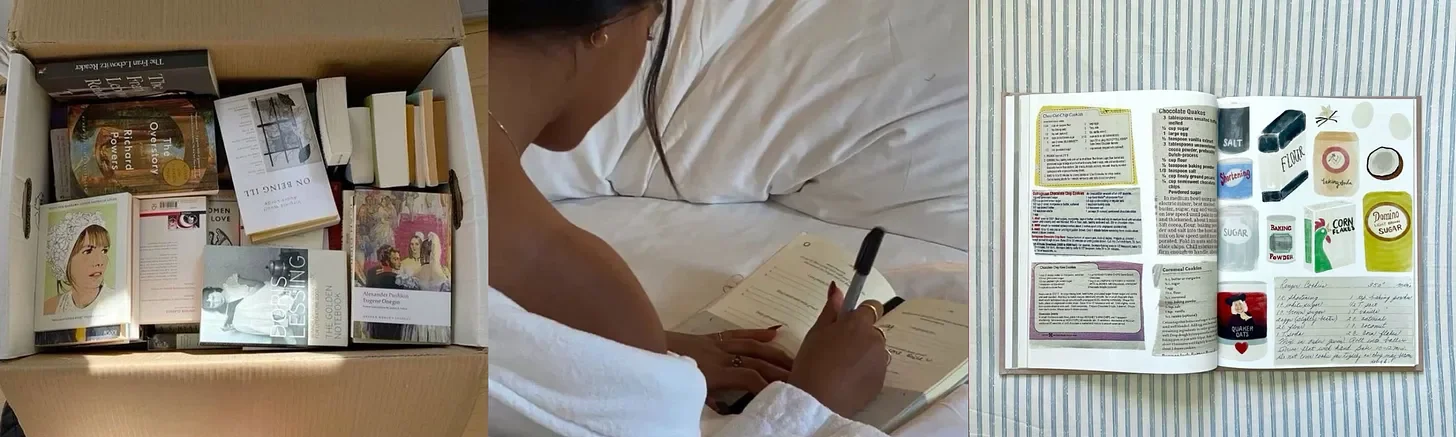
2. Find Inspiration in Physical Media (Yes, Analog Is Having a Moment)After staring at screens all day, asking your brain to “just be creative” is unrealistic.
In 2026, we’re seeing a return to analog for a reason. Physical experiences activate different parts of the brain and help form new neural pathways. That is where creativity actually lives.
Ideas to try:
Walk through a bookstore with no phone and no rush
Visit a museum or gallery
Flip through magazines
Do a puzzle, pottery class, or coloring book
Journal with actual pen and paper
And yes, we have to mention the Louise Carmen journals. Are they beautiful? Absolutely. Are they necessary? Debatable. Your creativity does not require luxury paper. Sorry.
3. Journal Without the Pressure to Be AestheticDespite what Instagram tells you, journaling does not need to look good.
This isn’t about perfectly scripted morning pages or Pinterest-worthy spreads. This is about getting thoughts out of your head and onto paper, which improves memory, reduces mental clutter, and gives you something tangible to reflect on later.
Try:
A daily word dump
Listing five things you enjoyed this week
Writing tomorrow’s to-do list by hand
Answering one prompt a day
Simple prompts to start:
What felt heavy this week?
What energized me?
What am I avoiding and why?
What do I need less of right now?
Your thoughts don’t need to be curated. They just need a place to land.
4. Move Your Body (Not as a Trend, As Maintenance)Yes, we know.
Walking pads. Standing desks. Vibration plates. Desk bikes. You’ve seen it all.
But movement isn’t just about gadgets. It’s about interrupting stagnation.
When you’re stuck creatively or mentally overwhelmed, stepping away from your laptop and moving, even for ten minutes, can reset your nervous system and bring clarity you won’t find by refreshing Slack.
Options that actually count:
A short walk outside
Stretching between meetings
A workout class
Dancing in your living room
Anything that gets you out of “screen mode”
Movement isn’t wasted time. It’s fuel.
Final Thoughts: You’re Not Behind. You’re Burnt Out.Q1 burnout doesn’t mean you’re bad at your job. It means you’re human, working in an industry that never stops scrolling.
Creativity isn’t a switch you flip. It’s something you protect. By slowing down, stepping offline intentionally, and giving your brain space to breathe, you’re not falling behind. You’re setting yourself up to last.
Survive Q1. Spring energy is coming.
We promise.