
Rejection Is Redirection

There’s a version of rejection that’s easy to romanticize. The kind that fits neatly into a quote graphic or a caption. The kind that implies everything works out exactly as it should if you just believe hard enough.
Business rejection doesn’t work like that.
It rarely arrives with clarity. More often, it shows up quietly in an email, a call that goes differently than expected, or a slow loss of momentum. And because so much of what we build in our careers is tied to our taste, our judgment, and our leadership, rejection in business can feel deeply personal even when it isn’t meant to be.
As co-founder of The Edit for the past eight years, I’ve learned that rejection isn’t something you graduate out of as you become more established. If anything, the stakes just get higher. The opportunities get bigger, the decisions carry more weight, and when something doesn’t work out, the impact lingers longer than you expect.
One of the hardest versions of rejection is when an opportunity doesn’t disappear, it just goes to someone else.
You pitch your agency. The conversations feel good. There’s alignment, excitement, and a sense that you’re moving toward something real. Then you find out they went with another company. Same category, similar stage, sometimes even someone you know.
That one hits differently.
Because it’s not just about losing the business. It triggers comparison. You start questioning your positioning, your confidence, and whether you told the right story in the room. You replay the pitch and wonder what they said that you didn’t, or what version of leadership the client was ultimately looking for.
What I’ve come to understand is that when a client chooses another agency, it’s rarely about who is “better.” It’s about who they’re ready for.

Some founders lead with certainty and process. Others lead with instinct and evolution. Some clients want a partner who has already done exactly what they’re asking for, while others want someone willing to build alongside them in real time. Those differences matter far more than we like to admit.
I’ve watched opportunities go to other agencies and felt disappointed in the moment, only to realize later that what that client actually needed wasn’t what we do best. Or wasn’t what we were willing to compromise on. Or wasn’t aligned with how myself and my co-founder wanted our team to work, grow, or operate long term.
Rejection like that isn’t redirection because you dodged a bullet. It’s redirection because it clarifies your lane. It forces you to get sharper about what kind of work you want to be known for. What kind of clients energize you instead of drain you. What kind of founder you actually are, not the one you think you need to be to win the room.
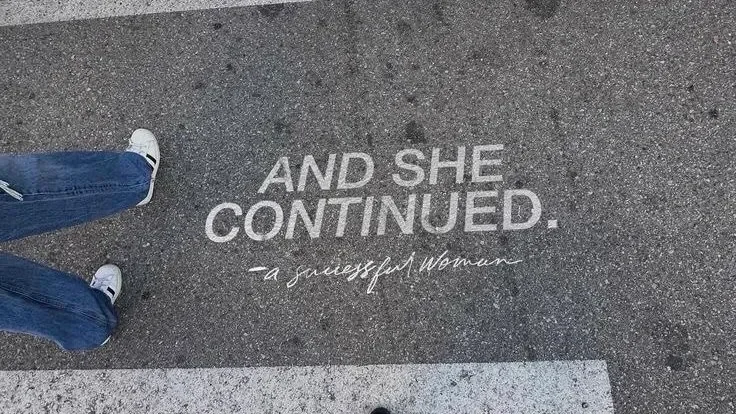
The same is true internally. Not every hire works out. Not every role evolves the way you imagined. Letting someone go, or watching someone leave, can feel like a failure of leadership. But more often, it’s a signal. About timing, about structure, and most importantly about what your company needs at this stage versus what it needed six months ago.
What makes all of this harder is how visible success is now. We’re constantly consuming other people’s wins in real time. New clients announced. New roles. New partnerships. New “excited to share” posts. It can make rejection feel louder than it is, like you’re the only one standing still while everyone else is accelerating. But most of the work that matters happens off camera.
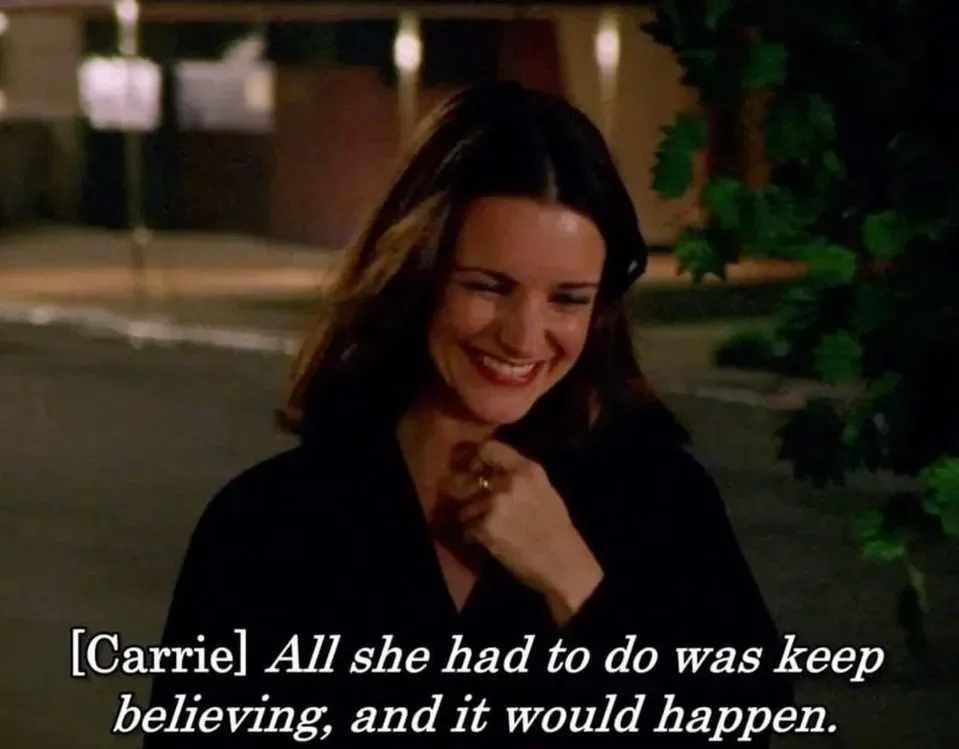
Some of the most meaningful shifts in my career came after something I wanted didn’t materialize. Not because rejection instantly turned into something better, but because it forced me to pause and recalibrate. I stopped chasing opportunities that weren’t fully aligned, stopped trying to convince people who weren’t ready, and stopped bending the business into shapes it was never meant to hold.
Rejection narrows your focus. Over time, you stop trying to be right for everyone and start becoming unmistakably right for the right people. And in business, that’s not a setback. That’s strategy.
xo, Katie (Katie's Edit)