
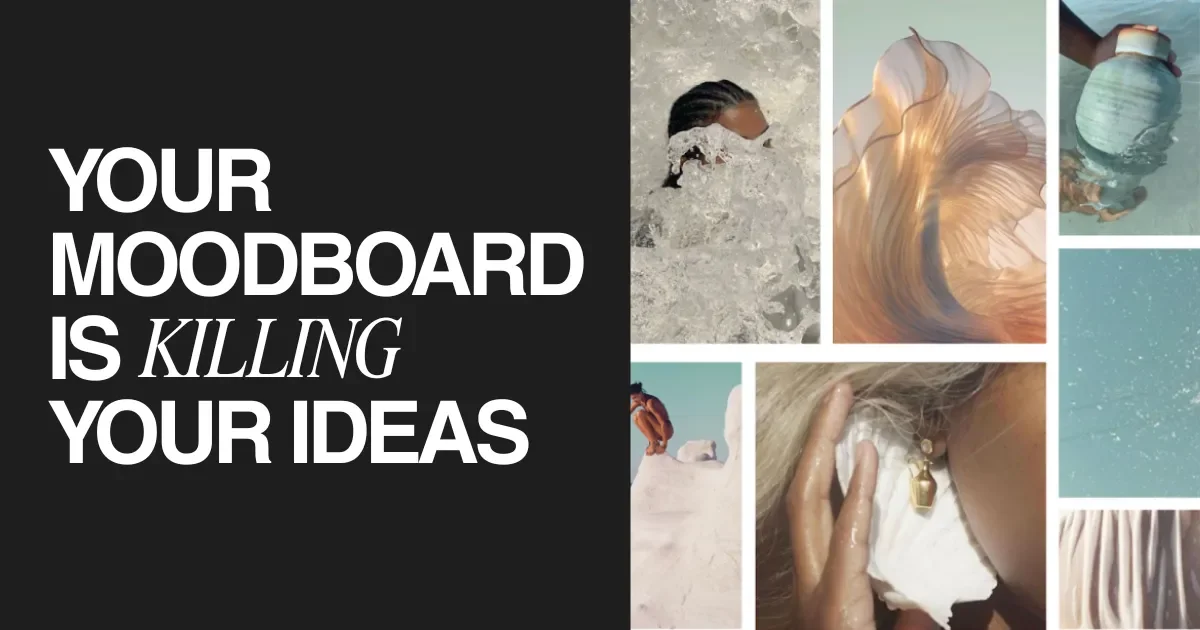
Your Moodboard is Killing Your Ideas
This campaign looks familiar…
We Have Deja VuWe see everything, we save everything. But what happens when everyone in the same oversaturated industry gets stuck pulling from the same well? Everything starts looking the same…the same Pinterest photo remixed in every color, the same split-screen reel with a different product. Trends move too fast now. We don’t have the luxury of being unoriginal. We have to stop the cycle where it starts: the moodboarding phase.
It’s Giving… Nothing, ActuallyYour moodboard is not a shot list. Not a Pinterest dump, and definitely not your Instagram saves folder. It’s the foundation of a world...one that will eventually house every idea, decision, and creative call that follows. Its job is to establish a feeling, an atmosphere, a visual language.
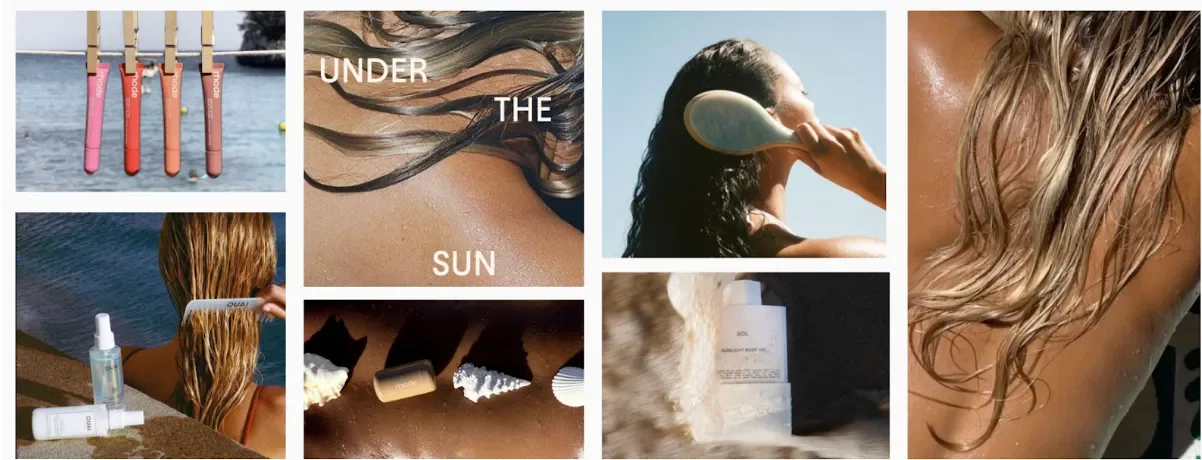
You’ll know it’s right when everything snaps into place:
Lighting tells you where and when to shoot
Textures guide what wardrobe and props to pull
Color palette sets a standard for cohesiveness
Recurring motifs spark original, ownable ideas
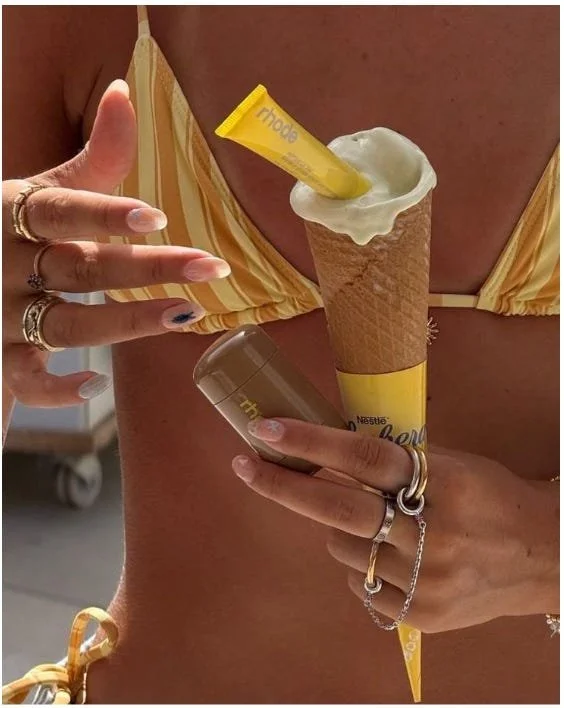
The Copy-Paste Curse: LiteralismPicture this: You’re almost through winter, the summer campaign briefs start flowing in. You’re cold and suffering with seasonal blues but these campaigns are sunny, salty, and they smell like coconut. Pinterest calls to you. The photo of Rhode’s Lip Peptide poking out of a dripping ice cream cone beckons to you… *CUT!* It’s a trap!
Fine, you can pin it, but resist the urge to put that on your moodboard.
There’s a name for what happens next: cognitive anchoring.
Cognitive AnchoringOnce the brain locks onto a clever visual, it sticks...and it can’t unsee it. That’s the science behind why trends get recycled until they’re completely exhausted. Competitor work is an especially fine line: you’ll study it, absorb it, and without realizing it, produce a softer version of someone else’s idea. We love their work. We’d just rather be the ones showing up on your FYP this summer.
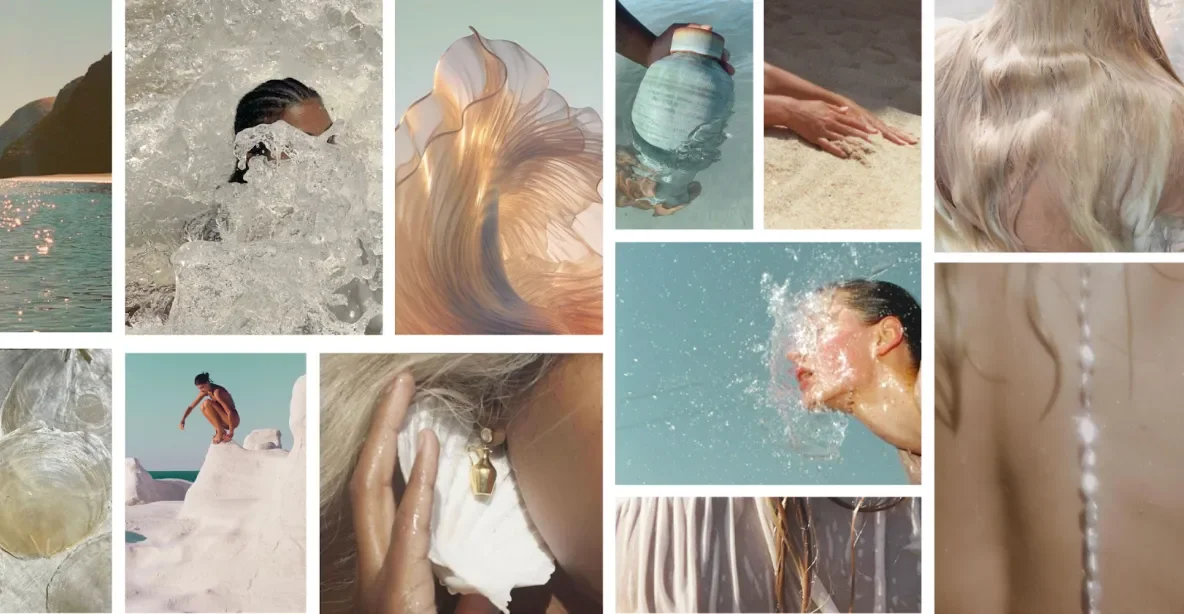
Stop Recycling, Start InnovatingIf we want to be the reference, we have to reframe the moodboard’s purpose entirely. A great moodboard doesn’t show you what to make, it shows you how it should feel:
Move from product shots to abstract textures
Swap competitor imagery with stills of film and architecture
Suggest materials and moods, don’t prescribe them
Leave room for the creative team to work their magic
We’re still going to open Pinterest...let’s be honest. But in 2026, the bar is originality, and you can’t be the reference if you’re using the reference. Next time you open a new board, try reaching a little further: Are.na, Cosmos, a film still, a walk outside. The best inspo doesn’t always live on a screen.