A Design Deep Dive
This is the story of what design means in the age of hot takes, aesthetics, and algorithm anxiety.
If you work in social media long enough, you learn two universal truths:
the algorithm is petty
and good design is your only real friend.
Scroll-stopping visuals aren’t just pretty. They’re strategy. They’re psychology. They’re cultural commentary wrapped in gradients and motion graphics. They’re the reason someone pauses their doom-scroll long enough to think, “Wait… who made this?”
To get into the chaos and craft behind modern digital design, we sat down with our Senior Designer—part artist, part strategist, part creative genius—and unpacked what it means to design in a world where trends turn over faster than the TikTok comments can say “girl be serious.”
Design Today Starts With a Vibe… and Also Strategy (Shocker)If you think designers just open Photoshop and let their inner Renaissance painter take over, we regret to inform you: no.
Modern design begins with strategy, the unglamorous, crucial phase where every idea is thrown onto the table like a word-dump therapy session. “A strong foundation kills clichés,” our designer says, and honestly? She’s right. If not, we’d still be out here recycling the same five minimal beige templates that haunted Instagram circa 2020.
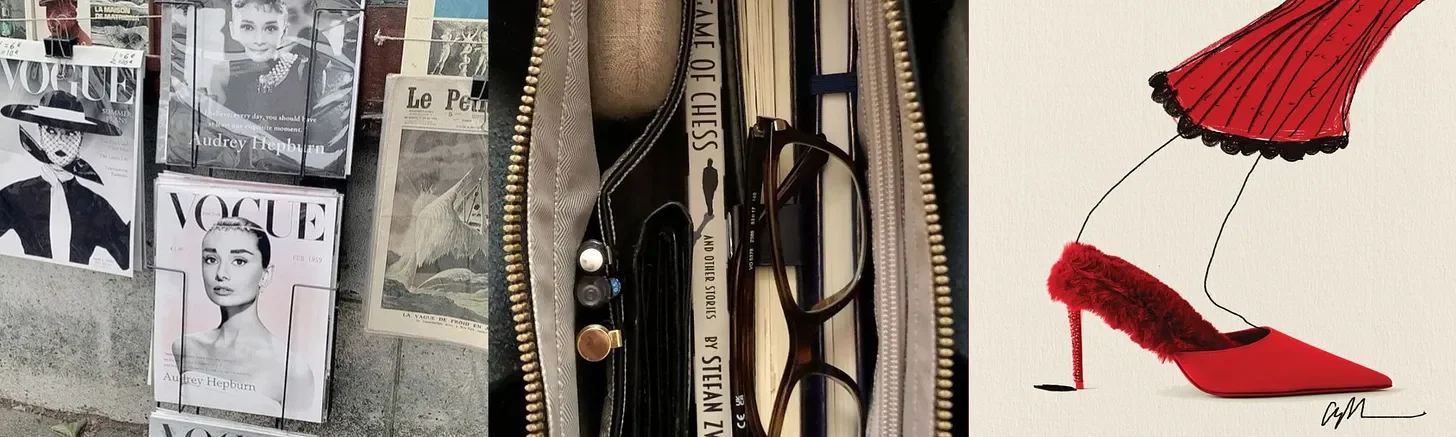
A moodboard isn’t a homework assignment. It’s a roadmap. And real moodboards pull inspiration from everywhere, not just other brands in your category. Think magazines, movie posters, architecture, even the weird pattern on the carpet at LAX. Anything can spark the concept. That’s the magic.
The Iteration Era: Where Good Design Goes to Grow UpOne of the biggest lies of social media is that good design happens in one go.
Nope. It’s iteration Nation out here.
Designers build, refine, delete, cry a little, step away, come back with fresh eyes, and somehow land on something that feels intentional, not accidental.
In a world where brands expect something viral by Friday and something evergreen by Monday, iteration is the secret sauce. It’s the reason a post feels thoughtful instead of “corporate asked for a graphic and this is what we ended up with.”
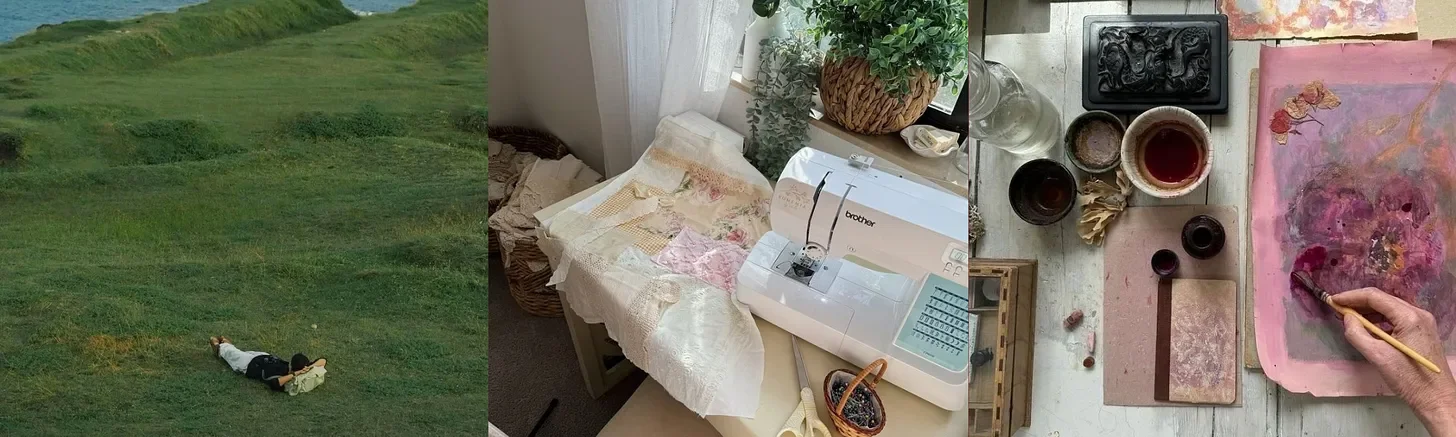
Inspiration Isn’t Always Online—Shocking, We KnowThe chronically online might not want to hear this, but the best creative work doesn’t always come from scrolling Pinterest.
When inspiration stalls, logging off can be the cheat code. Nature is trending, literally. Colors, textures, compositions…the outdoors is an unfiltered moodboard.
This matters because social media is overcrowded with the same recycled visuals. If everyone pulls from Pinterest, everything starts to look like… well, Pinterest. The way to stand out? Reference offline life.
Touch grass, get inspo, come back better. Groundbreaking.
The Social Media Design Toolkit: Figma, Photoshop, and Pure DelusionDesign tools today are less about artistic mystique and more about collaboration, speed, and survival. Illustrator may have been the OG, but Figma has become the unofficial love language of 2025 content teams. You want comments? Components? A place where six people can edit the same frame without someone crying? Figma is your girl.
Photoshop adds the texture and dimension that makes graphics feel elevated instead of flat. And let’s be honest...half of design now is knowing how to make something look like it wasn’t made in Canva.
(But Canva did raise half of us, so zero shame.)
The Trends Trap: How to Stay Relevant Without Looking Like a Design NPCSocial media moves fast. One minute it’s “girl math,” the next it’s harsh drop shadows and Y2K gradients. But designing only for trends is a trap.
The real flex? Balancing trend awareness with timeless fundamentals. Our designer calls it “building a foundation so strong your style emerges without you forcing it.”
Translation: learn the rules so you can break them in a way that still looks stunning. Trends are spice. Not the whole dish.
Collaboration in the Content TrenchesDesign in 2025 is a team sport. Strategy, accounts, content, motion, copy, they all influence the final result. When egos leave the chat, the work levels up.
The best social graphics today come from teams who understand that the design isn’t one person’s baby. It’s a shared brainchild born from Slack threads, brainstorms, edits, and the occasional “Okay but hear me out…”
Good collaboration = good content. Period.
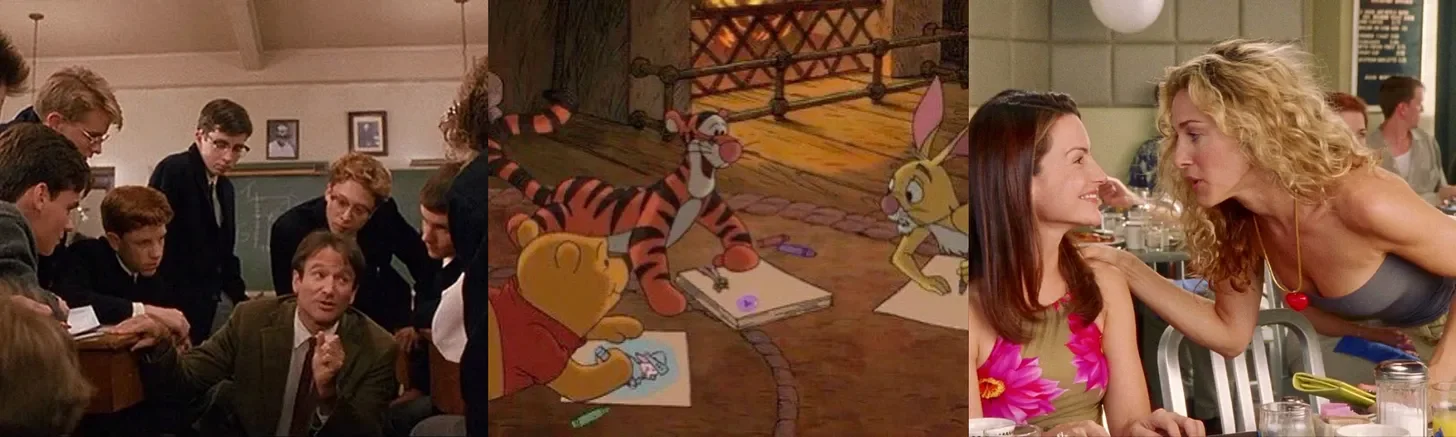
Design Lessons From the FrontlinesEvery creative makes mistakes. Every scroll-stopping designer has past work they’d obliterate if they could Thanos-snap their old portfolio.
The biggest lesson our designer shared? Fear will slow you down more than failure will. In social, you can’t wait for perfection, you have to ship the work. Ship it often. Ship it even when you’re slightly embarrassed.
Because on social media, the only thing worse than a bad post is no post at all.
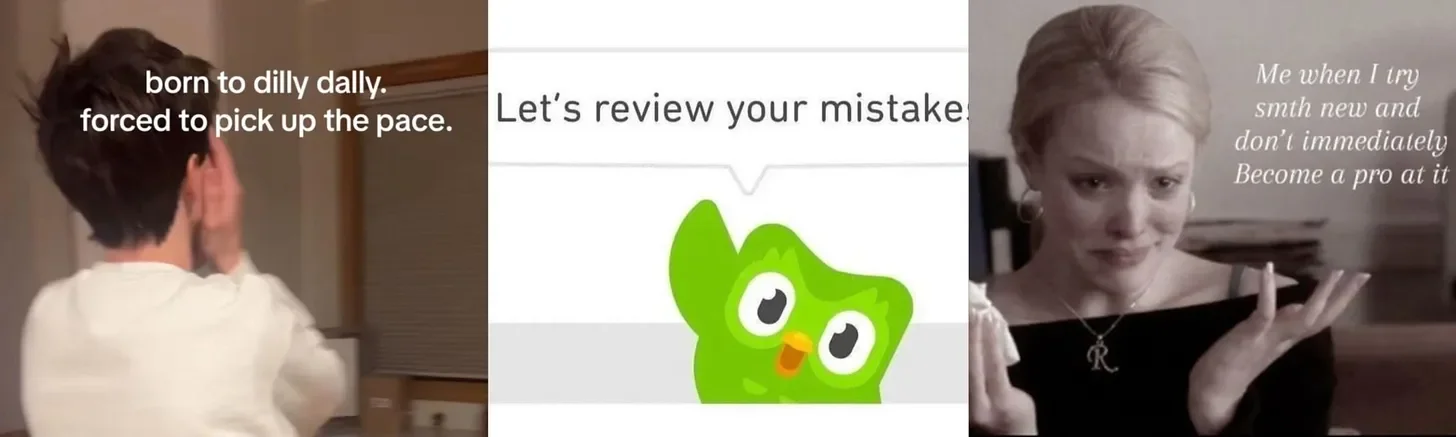
The Hard Truth: Not Everyone Is Going to Like Your WorkAnd that’s okay.
You could design the most glorious, juicy peach visual on the timeline… and someone’s still going to comment, “meh.”
The reality of modern design? Subjectivity is everywhere. Metrics lie. Opinions fly. But consistency and curiosity keep you growing.
Just keep posting. Keep making. Keep improving.
And Because You Were Wondering… Comic Sans?Still a crime.
Unless you’re an elementary school teacher. Then, in the right context, it’s camp.
Don’t test us on this.
The Final Takeaway From the Design TrenchesDesigning for social media today is equal parts strategy, experimentation, collaboration, and emotional resilience. It’s an ever-evolving ecosystem of aesthetics, psychology, and culture. It’s fast, chaotic, rewarding, occasionally unhinged, and always, always, creative.
Whether you’re designing for a brand, for yourself, or for the algorithm that refuses to push your posts even though you worked SO HARD… the design landscape is yours to shape.
Just remember: trends come and go, but good design?
Good design always lands.