
How to Launch A Successful Influencer Campaign
Everywhere you scroll: influencers. Influencer this, influencer that. At this point, we wouldn’t be surprised if even your dog’s probably trying to land a skincare collab. But here’s the thing… booming doesn’t always mean working.
A successful influencer campaign isn’t about throwing free product at anyone with a ring light. It’s about being strategic, intentional, and authentic.
So what actually makes an influencer campaign work? Let’s break it down.
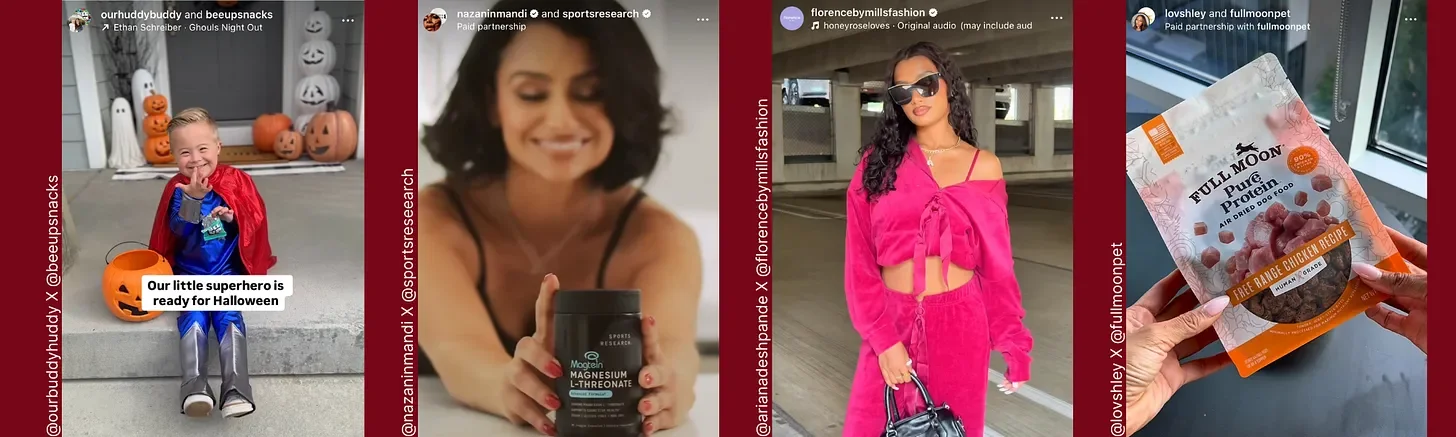
Measuring SuccessSure, a pretty post can feel like a win. But that’s not the whole picture. We measure success by looking at:
• Engagement across channels
Do the comments sound like humans wrote them? Are we looking at pity-likes from someone’s aunt? It if smells like bots, chances are it probably is.
• Exceeding client KPIs
We’re tracking reach, clicks, conversions. If we’re hitting and exceeding client expectations, then we know it’s working.
• Content matches brand aesthetic and vision
Influencers should bring their own voice and style. But if your brand is neon rave energy, it’s best to stay away from someone whose entire aesthetic is beige minimalism. It’s like showing up to Burning Man in khakis… technically fine, but painfully off.
In laymen’s terms: if the content feels so natural that the audience forgets it’s sponsored, AND still exceed client KPIs? That’s a win.
Do Influencers Still Matter in 2025?Yep. It’s 2025, and the internet is louder than ever. Which means, influencers still matter. Here’s why:
• Storytellers
Influencers aren’t your run-of-the-mill traditional marketing tool. They’re narrators. They help shape your brand story in a way people actually want to hear and engage with.
Trusted Voices
People gravitate towards organic voices. An influencer’s audience cares about what they have to say, and equally values their opinions. They trust “that girl on TikTok” more than a polished graphic. Why? Because “that girl on TikTok” feels like a friend. And that’s that on parasocial relationships for you.
• Community-builders
Influencers don’t just sell products. They cultivate communities of followers who listen and engage. And in today’s social climate, trust is currency.
Here’s the tea: influencers humanize brands. And people want to feel that humanity.
What to Expect in the Next 2-3 YearsInfluencer marketing isn’t going anywhere. But it’s not standing still either.
We predict that as time goes on, paid partnerships will continue to feel less like ads and more like everyday content. This means that the ‘perfect’ curated feed is dying. It’s understandable - people are gravitating naturally towards organic, authentic and messy storytelling. They want to relate.
But we also predict that brands will start pouring more and more investments into micro and mid-tier creators. We’re past the point of follower counts, and we’re quickly learning that smaller doesn’t mean less impact. It often means more.
What Brands Get Wrong (and How to Avoid It)Let’s be real. We all make mistakes. It’s human nature. And in the same way we make mistakes, so do brands. We sometimes make influencer campaigns harder than they need to be. The usual suspects?
Unrealistic timelines. Sorry but you can’t expect an influencer to shoot a 4-part mini-series in 48 hours.
Restrictive concepts. Trust creators to do what they do best.
Expecting influencers to solve your problems. Here’s the truth: influencers can’t be a band-aid for a weak product or unclear messaging. The clearer your goals, the easier for your creator to execute.
The Big PictureAt the end of the day, successful influencer campaigns aren’t about follower counts or picture-perfect feeds. They are about trust, alignment, and letting creators do what they do best: tell stories that resonate. When you respect this, your campaign won’t just work. It will win.